
Brand awareness & Brand Recall are terms used to see how much the audience knows a brand. Both have different concepts in marketing strategy and customer interaction. The following is an explanation of the roles of both in carrying out these strategies.
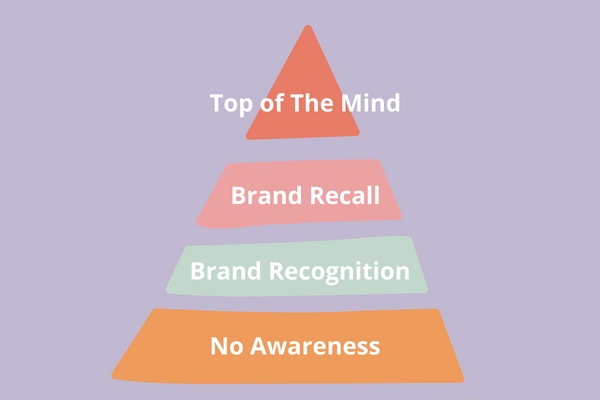
1. What is Brand Awareness?
When consumers have difficulty choosing a product or service, carrying out the brand awareness stage is the solution to this problem. This stage measures the extent to which consumers can recognize or remember a brand when they see or hear it. Brand awareness occurs through spontaneous or targeted consumer awareness. Here is the explanation:
• Spontaneous Awareness: This occurs when consumers can name a particular brand without any prompting. For example, when asked “What car brands do you know?”, consumers immediately say “Toyota” or “Honda”.
• Targeted Awareness: This occurs when consumers can recognize a brand after being given a cue or a list of options. For example, when asked “Choose a car brand from this list”, they recognized the names “Toyota”, “Honda” and others.
Brand awareness is often measured through surveys or market research as a first step in brand recognition. The existence of this stage will help consumers in choosing a product.
2. What is a Brand Recall?
Different from brand awareness, brand recall is a consumer’s ability to remember a brand spontaneously, either with or without instructions. Brand recall indicates that they are not only well known but deeply embedded in the audience’s memory and come up naturally when they think about a particular product category. Brand recall is a step further than brand awareness, even without having to carry out advertising or promotions.
3. Main Differences between Brand Awareness and Brand Recall
• Recall Level:
Basically, brand awareness and brand recall discuss how consumers know a brand.
o Brand Awareness measures consumer recognition or awareness of the brand. It’s more about “do they know about brand X?”.
o Brand Recall measures how strongly the brand is imprinted in consumers’ memories. It’s more about “can they remember brand X when thinking about the product category?”.
• Consciousness vs Memory:
o Brand awareness focuses on general awareness, whether through image recognition, logos, or advertising.
o Brand recall involves consumers’ ability to remember a specific brand in a particular context without any visual cues.
• Stage in the Buying Journey:
o Brand Awareness is the first step in the purchasing journey, where consumers first become aware of the existence of your brand.
o Brand Recall is the next step, where consumers remember your brand when they need a product or service in that category.
• Simple Example:
o Brand Awareness: When consumers see a television commercial or hear your brand name, they recognize the brand as something they know.
o Brand Recall: When consumers are in a store and looking for a particular product, they immediately think of buying your brand, without having to look at the label or advertisement first.
4. Why are Brand Awareness and Brand Recall Important?
Brand awareness and brand recall are two important things in building relationships between brands and consumers. These two things are also the foundation that determines consumer loyalty and action. Even though both have similarities in relation to consumers, the marketing stages of the two are different. That is,
• Brand Awareness is the first step in recognizing a brand. Without this stage, it is difficult for consumers to know or even be interested in the brand’s products or services. This stage can be called the phase of “creating awareness” among consumers about a brand, especially for brands that have just entered the market.
• Brand Recall is a higher stage of brand awareness. When consumers can remember the brand with or without clues, this is an indication of the success of the brand awareness stage. High brand recall can increase consumer purchasing opportunities.
5. How to Increase Brand Awareness and Brand Recall?
To maximize the results of these two metrics, consistent strategies and evaluations need to be carried out. To increase brand awareness, you can use advertisements or campaigns like Instagram, Facebook, and even Google that are easy for consumers to remember, create strong advertising visuals, and collaborate to disseminate brand-related information. For brand recall, you can improve product quality so that customers feel satisfied with your product or service, build strong interactions with your audience, and carry out campaigns that can strengthen consumer memory of the brand.
Even though brand awareness and brand recall sound similar, they have different focuses and goals in the marketing journey. Brand awareness is an important first step to ensure your audience recognizes and knows your brand. Meanwhile, brand recall is the next stage where your brand is imprinted in consumers’ memories, so they are more inclined to choose your product when needed. Both must work side by side in a successful marketing strategy, to build a strong brand image and increase sales opportunities.
Read More : How Do Hashtags Affect Brand Awareness and Engagement?