
If you are learning about SEO or the world of digital marketing, you need to know about keywords. The definition of keywords in this context is a collection of words searched for by internet users on search engines such as Google, Yahoo, and Bing. Keyword research is very important to increase website rankings.
Carrying out keyword research also requires the right strategy, one of which is knowing the types of keywords. The following is the explanation:
Seed keywords
Seed keywords are basic keywords that are used to start or develop keywords in a sentence. For example, if you want to talk about “cooking”, then the basic keywords that can be used are:
• Cook
• How to cook
• Cooking utensils
• And so forth
Determining seed keywords also varies by determining terms related to products, observing trends on social media, and analyzing keywords on similar blogs.
Short-Tail and Long-Tail keyword
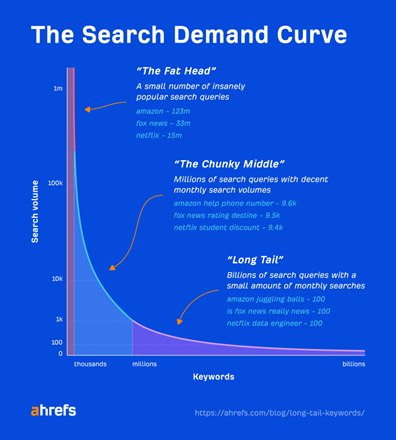
According to Ahrefs, these two types of keywords are usually determined based on the search demand curve. Short-tail keywords are keywords that only consist of one to two words. The nature of this keyword is that it is general and has a high search volume, but the conversion is relatively low because it does not match what the user is looking for. Apart from that, this keyword also has high competition and is not specific. Examples are, “clothes”, “shoes”, and “bags”.
In contrast to short-tail keywords, long-tail keywords have longer and more specific keywords (consisting of at least 3 words). Apart from its specific nature, this keyword also has a relatively low volume but high conversion. Examples are “cheap branded clothes”, “Adidas trail-run shoes” and others. Long-tail keywords are more appropriate to use if we aim to increase conversions rather than traffic.
Commercial, Navigational, Informational, and Transactional Keywords
These four types of keywords are intent keywords, which are influenced by trends. When you search for keywords such as “fruit”, the intent keywords that appear can be:
• Informational: “function of fruit for the body”
• Navigational: “nearest fruit shop”
• Transactional: “selling cheap fruit”
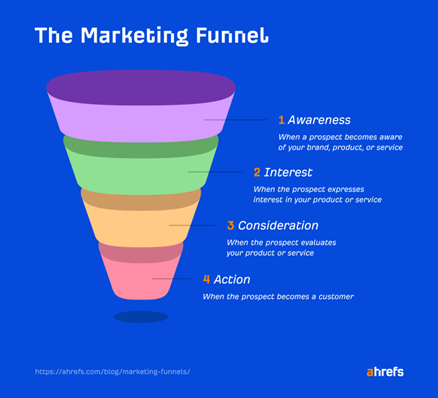
Commercial keywords are keywords that users use when in the consideration stage before buying a product. In the marketing funnel, this stage is included in consideration or review.
Navigational Keywords are used by users to go to certain web pages or sites. Users already know where they want to go, but perhaps they’re unsure of the exact URL. These sites are various, such as logging in to YouTube, Facebook, or the like.
Informational Keywords are used by users to search for information related to something, but not limited to a specific product. This can be in the form of tutorials, explanations, articles, and so on. This keyword usually uses the words 5W 1H at the beginning of the sentence in the search column.
Transactional Keywords are used when you want to take an action, such as wanting to buy or rent a product or service. In the marketing funnel, the use of this keyword is at the end or has passed the previous stages. The words in this keyword usually contain “buy”, “sell”, “discount”, and others. Even if identified, the sentence already contains the name of the brand or product model.
Competitor’s Keyword
To use this keyword, you need to do research and analysis first. You need to find out who is the competitor of your product/service. You can use SEO tools to find competitors and keywords used, such as Ahrefs, Semrush, and many more. If competitor keyword data is available, you can use it for comparison, and targeting, and as a basis for developing the keywords themselves.
Understanding the types of keywords and their functions is very important for an effective SEO strategy. By selecting and using the right types of keywords, businesses can attract the right audience, increase organic traffic, and optimize conversion rates on their websites. A successful SEO strategy is a combination of various types of keywords to achieve the desired digital marketing goals.
Read More : What is Keyword? Why is It Important for Digital Marketing?